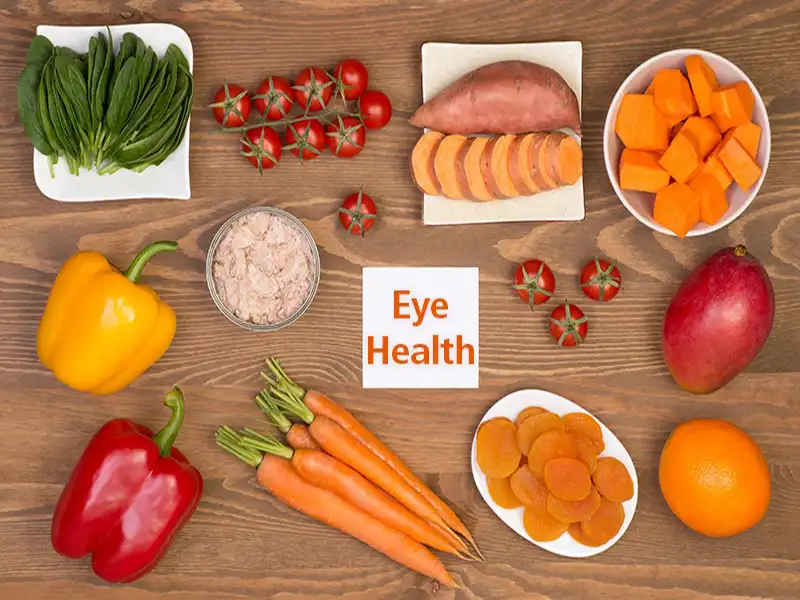
Eyesight Improvement: Natural Diet, Sleep & Lifestyle Tips
Eyes are one of the most precious gifts we have, yet today, vision problems are becoming common among both children and adults. With increased screen time, lack of proper diet, and insufficient rest, many people notice their eyesight declining earlier than before.
But here’s the good news—you can protect and even improve your eyesight naturally through food, proper rest, and healthy lifestyle habits. In this article, we will discuss three key areas that help in maintaining good vision:
1. Food and Nutrition
2. Sleep and Rest
3. Lifestyle and Eye Exercises
Let’s explore these in detail.
—
1. Food & Nutrition for Healthy Eyes
The Role of Vitamin A and Beta-Carotene
Your body needs Vitamin A to maintain healthy eyesight and protect vision.
In animal foods (like meat, eggs, and dairy), Vitamin A is present directly.
In vegetarian foods, it is present as beta-carotene, which the liver converts into Vitamin A.
The daily requirement of beta-carotene is about 4800 micrograms.
Without enough Vitamin A, your eyes become prone to dryness, weak night vision, and long-term damage. That is why including beta-carotene rich foods in your diet is essential.
—
Greens That Boost Vision
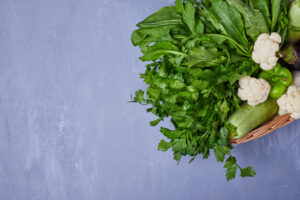
Many people think carrots are the best source of Vitamin A, but surprisingly, green leafy vegetables contain much more beta-carotene.
Curry Leaves – 7800 mcg per 100 g (highest source)
Coriander Leaves – 6900 mcg
Drumstick Leaves – 6500 mcg
Spinach (cooked) – 5500 mcg
Compare this with carrots, which contain only 1900 mcg. Clearly, adding greens to your daily meals is a more powerful way to protect your eyes.
—
Best Juice for Eye Health
A nutrient-packed juice every morning can improve blood circulation and provide the essential vitamins your eyes need. Here’s a recipe:
2 carrots
2 tomatoes
1 cucumber
1 beetroot (optional)
A handful of greens (curry leaves, coriander, drumstick leaves, or spinach)
Blend all ingredients into a smooth paste, strain, and add honey + lemon juice for taste.
Adults: 250–300 ml daily
Children: 200 ml daily
This juice is rich in beta-carotene, Vitamin C, and antioxidants, making it one of the best natural remedies for eyesight improvement.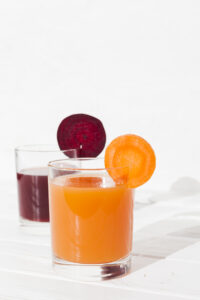
—
Daily Diet for Vision
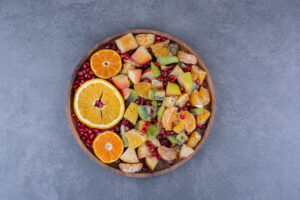
To maintain healthy eyes, include these foods every day:
Cooked Greens: 100–200 g (spinach, drumstick leaves, amaranth).
Fruits: At least 20–25% of your diet (oranges, papaya, guava, watermelon).
Nuts & Seeds: Almonds, flax seeds, and walnuts provide Omega-3 fatty acids that protect the eyes.
—
2. Sleep & Rest for Strong Eyesight
Why Sleep Matters
Your eyes are delicate organs that need enough rest to function properly. When you sleep, your retina, lens, and nervous system recharge. Sleep also helps clear out toxins that build up during the day.
Adults should aim for 7–8 hours of sleep daily.
Ideally, the eyes need 11–12 hours of rest, which was naturally possible in older times before electricity.
—
Effects of Poor Sleep on Vision
If you sleep for only 3–4 hours daily over a month, your vision can decline significantly. Lack of rest causes:
Dry eyes
Strained vision
Faster aging of the eye muscles
Reduced ability to focus
That’s why giving your eyes proper rest is just as important as eating the right food.
—
3. Lifestyle Habits & Eye Care
Reduce Mobile & Screen Strain
Mobile phones are one of the biggest reasons for declining eyesight in both children and adults. Problems occur due to:
Watching small text on bright screens
Using phones in low light
Long hours of chatting or gaming
Here are some tips to reduce screen strain:
Use a larger screen (laptop or TV) at home instead of a small phone screen.
Limit mobile use to emergencies.
Adjust brightness to comfortable levels.
Follow the 20-20-20 rule: Every 20 minutes, look at something 20 feet away for 20 seconds.
—
Eye Exercises for Better Vision
Regular eye exercises improve blood circulation and reduce fatigue. Here’s a simple one:
1. Close your eyes gently.
2. Open and close them repeatedly, around 40–50 times.
3. Keep them closed for a few seconds after the exercise.
This strengthens the nervous system, eyelids, and eyeballs, and improves oxygen supply to the eyes.
Other useful exercises:
Rotate your eyes in circles (clockwise and anti-clockwise).
Focus on a distant object for 1–2 minutes daily.
Rub palms together to generate warmth and place gently on your closed eyes.
—
Final Tips for Healthy Eyesight
To summarize, here are the golden rules for protecting and improving your vision:
Eat beta-carotene rich foods like curry leaves, drumstick leaves, coriander, and spinach.
Drink a fresh vegetable + greens juice daily.
Include fruits and nuts in your diet.
Sleep for at least 7–8 hours every night.
Limit screen time and avoid mobile overuse.
Do simple eye exercises regularly.
By following these natural steps, you can protect your eyes from early vision decline, improve clarity, and reduce the need for external treatments or medications.
—
Conclusion
Good eyesight is not just about avoiding glasses—it’s about maintaining the overall health of your eyes. Through the right nutrition, proper sleep, and mindful lifestyle habits, you can strengthen your vision and enjoy healthy eyes for many years.
Remember: The food you eat and the rest you give your eyes today will decide the quality of your vision tomorrow. https://healthandayurveda.in